
A facade can look impressive on the drawing board and still become difficult the moment construction begins.
The stone finish looks perfect, but it is heavy. The existing wall needs additional consideration. Installation takes longer than expected. Labour increases. And suddenly, a design decision intended to improve the building is affecting the entire project schedule.
This is especially relevant in Germany, where exterior projects often involve renovating and modernising existing buildings, not simply designing new ones from scratch.
That is one reason lightweight decorative wall panels are gaining attention. They allow architects to create stone, brick and textured facades without automatically accepting the weight and handling challenges associated with traditional materials.
What Are Lightweight Decorative PU Wall Panels?
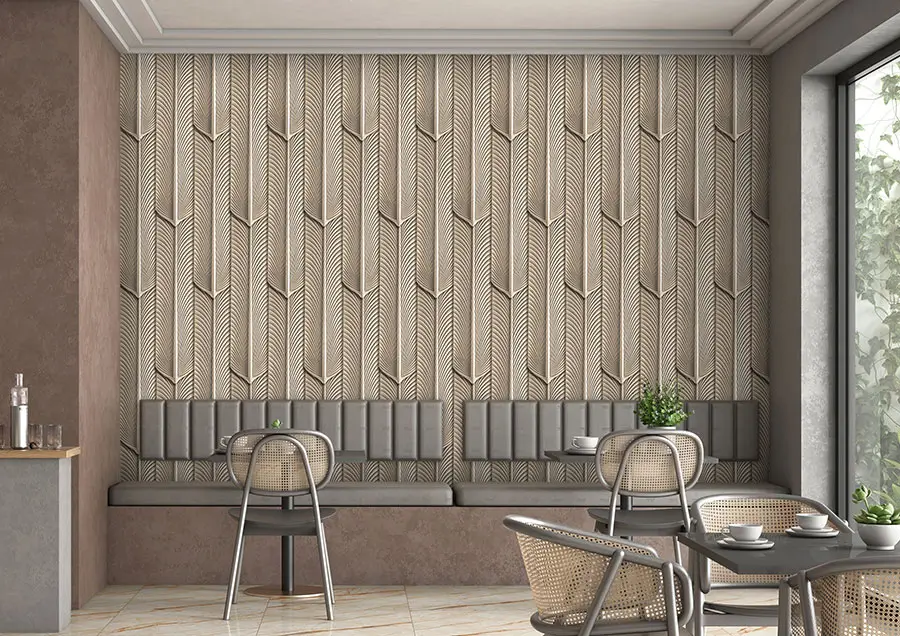
Lightweight decorative PU wall panels are decorative panels made from polyurethane and designed to reproduce visual textures such as stone, brick, rock and other architectural surfaces. Depending on the product, they may be considered for selected interior or exterior applications.
For exterior projects, appearance is only one part of the specification. Architects and project teams should also assess weather exposure, moisture, temperature changes, fire performance where applicable, fixing methods, substrate conditions and manufacturer documentation for the specific product.
Exterior Design Is No Longer Only About What Looks Premium
Architects increasingly have to balance visual impact with structural practicality, installation time and maintenance. A good exterior material has to work just as convincingly on site as it does in a render.
1. Existing Buildings Cannot Always Take the “Heavy” Approach
Imagine refurbishing a decades-old commercial property.
The architect wants to modernise the entrance with a strong stone texture. But adding heavy stone cladding may introduce more structural and installation work than the project needs.
Lightweight PU panels offer an alternative.
Their lower weight can simplify handling and reduce the additional load associated with heavier decorative finishes. This makes them particularly relevant to facade upgrades and renovation projects.
For architects, that means more freedom to refresh an exterior without turning every design feature into a major construction exercise.
2. Stone Character Without Designing Around Stone Weight
German commercial architecture often favours clean lines, controlled material palettes and strong natural textures.
Stone fits that language beautifully.
The challenge is using it where the visual effect matters more than the actual material. Modern decorative PU panels can reproduce:
- Natural stone textures
- Brick surfaces
- Rugged rock finishes
- Contemporary architectural patterns
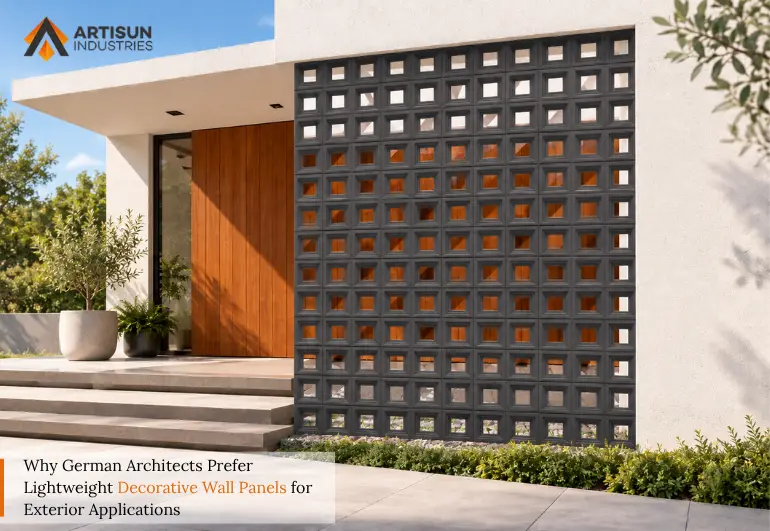
That gives architects another material option for exterior feature walls, commercial entrances, balconies, garden walls and selected facade applications.
A capable Decorative PU Wall Panel Supplier can therefore become useful when the brief asks for natural character but the project demands lighter execution.
3. Faster Installation Matters on Commercial Projects
A delayed facade is rarely only a facade problem.
- Scaffolding stays longer
- Other exterior work waits
- Handover dates move
- Labour remains on site
Lightweight panels are easier to transport, position and install than many traditional stone or masonry finishes. This can help simplify facade work and reduce unnecessary installation stages.
For offices, hotels, retail properties and mixed-use developments, those time savings can matter considerably. Architects are not lowering design ambitions.
4. German Weather Makes Maintenance Part of the Specification
An exterior surface does not get controlled showroom conditions. It deals with rain, moisture, sunlight, frost and seasonal temperature changes.
That means architects cannot choose an exterior panel purely because the texture looks convincing. The product needs to be specified for outdoor use.
Exterior PU wall panels are offered for applications such as building facades, boundary walls, commercial entrances, patios and balcony feature walls, with product information highlighting lightweight construction, low maintenance and suitability for outdoor environments.
Installation details also matter. Substrate, adhesive, fixing, sealing and environmental conditions should be considered for the specific project rather than assuming every panel can be installed identically.
A reliable Decorative PU Wall Panel Supplier should be able to support that application conversation, not just sell a texture.
5. Low Maintenance Protects the Design After Handover
Architects see the completed facade.
Building owners live with it.
That difference matters.
Exterior finishes collect dirt, face moisture and require ongoing upkeep. If maintaining the original appearance becomes difficult, the building quickly loses the visual quality the architect intended.
PU exterior panels are positioned as low-maintenance decorative surfaces, making them attractive for commercial properties where appearance needs to remain manageable over time.
The benefit is not “zero maintenance.”
It is reducing the amount of complexity required to preserve the exterior look.
6. More Texture Means More Ways to Give a Building Identity
Not every German commercial building wants the same grey stone facade.
- A hotel entrance may need warmth
- A restaurant could benefit from brick character
- A retail project may need something more dramatic
- A modern office could favour a cleaner rock or architectural texture
That design variety is another reason architects are exploring lightweight panels. A strong Decorative PU Wall Panel Supplier can support different aesthetics without forcing each project into a completely different material system.
Why Consider Artisun Industries as a Decorative PU Wall Panel Supplier?
For German architects, importers and project buyers, supplier selection should involve more than design variety. Consistent manufacturing, sample approval, technical information, export packaging, customisation capability and repeat-order support can all matter when specifying panels for an international project.
Artisun Industries offers a range of decorative PU wall panels covering stone, brick, rock and contemporary textures, with sample support, in-house manufacturing and custom-development capabilities for qualifying requirements.
Our outdoor offering includes:
- Stone, brick and rock-inspired textures
- 45+ design options across the wider range
- Lightweight construction
- Faster installation compared with traditional heavy cladding
- Low-maintenance exterior surfaces
- Sample kits for project evaluation
- Custom product development for qualifying requirements
- Export-ready manufacturing and international supply support
Give the Facade More Character, Not More Complexity
Exterior design should make the building stronger visually without making the project unnecessarily harder to execute. Explore the Artisun Industries catalogue to discover lightweight stone, brick, rock and decorative PU wall panels for German architectural and exterior projects.
Most Popular Questions
Are PU wall panels suitable for exterior applications in Germany?
Some PU wall panel products are designed for selected exterior applications, but suitability depends on the specific product, exposure conditions, installation system and required technical performance.
Why use lightweight decorative wall panels for renovation projects?
Their comparatively low weight can make material handling more convenient and can provide an alternative to some heavier decorative materials. Project-specific structural and installation requirements still need to be assessed.
Can PU wall panels replace natural stone on every facade?
No. PU panels provide a decorative alternative for suitable applications, but they should not be treated as a universal replacement for natural stone or other facade systems.
What should German architects ask a PU wall panel supplier?
They should request information on exterior suitability, fire performance where applicable, dimensions, weight, fixing methods, weather performance, maintenance, samples, technical documentation and warranty.
Can PU wall panels withstand German weather?
This depends on the specific product and its documented exterior performance. Buyers should request manufacturer data for the intended application and exposure conditions.
Can decorative PU wall panels be customised?
Customisation depends on the manufacturer's design-development capabilities, production process and minimum order requirements.

Leading PU Wall Panel Manufacturer
As a proud representative of Artisun Industries, a leading PU Wall Panel manufacturer, I bring our expertise in crafting high-quality, durable PU Wall Panel tailored to meet diverse architectural needs. Join us in exploring innovative solutions that transform spaces beautifully!