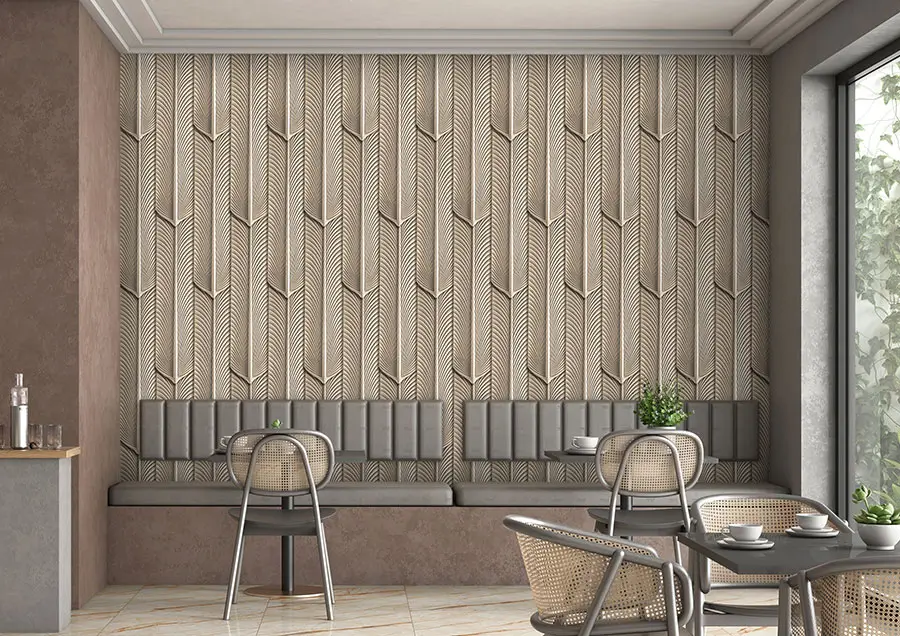

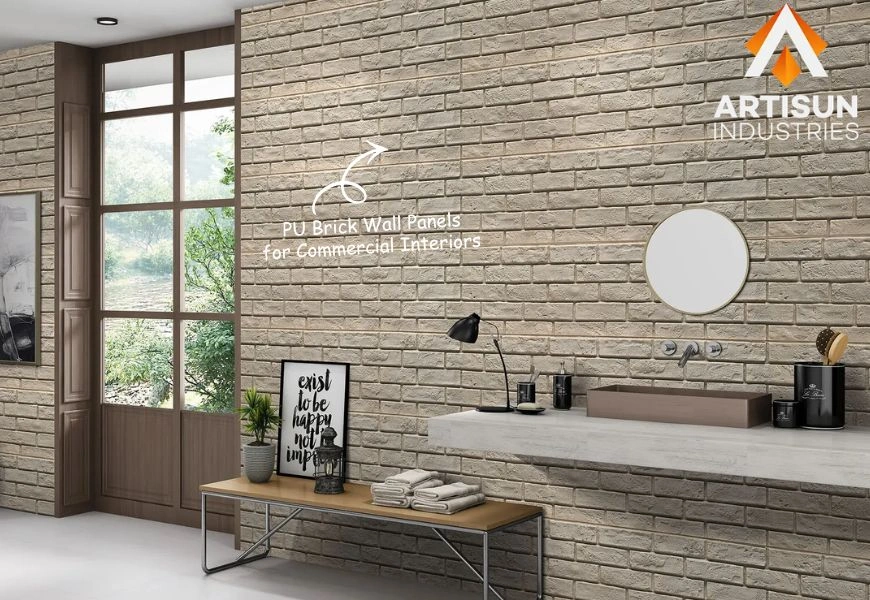
Commercial interiors in India are no longer designed just for function. The offices, cafes, retail stores, and hospitality spaces now rely on the visual identity to attract customers and strengthen their brand presence. This shift has prompted designers to select materials that not only look aesthetically pleasing but also install quickly and remain practical over time.
One such material gaining steady attention is PU brick wall panels. They deliver the familiar warmth of brick textures while avoiding the weight, mess, and installation challenges of traditional masonry. For commercial projects where timelines and maintenance matter a lot, they offer a balanced solution between style and efficiency.
Walls That Influence Business Perception
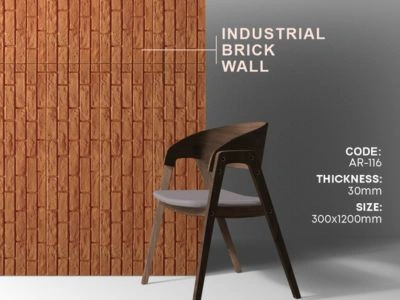
Walk into any commercial space today, and the walls quietly shape the first impression. Before they say a word, the wall finishes indicate the brand's tone, level of familiarity, and degree of professionalism. Many interiors, however, still consider wall finishes an 'after-thought' and not part of their design strategy.
To provide designers with options that allow them to create character while maintaining their project schedule, installation, and maintenance time, wall coverings such as PU brick wall panels are being introduced into the marketplace at an increasing rate.
Mapping Impact Zones in Commercial Interiors
Before looking at specific use cases, it helps to understand how adaptable these panels are across commercial settings. Their balance of texture, practicality, and quick installation allows designers to apply them in many functional zones without complicating the project workflow.
Familiar Aesthetics, Smarter Materials
The inherent warmth and authenticity of brick texture make it a good choice for urban cafes, boutique retail stores, and collaborative workspaces where a great atmosphere is important. Traditional brick can be very bulky and take a long time to put up.
PU Brick wall panel provides the same visual depth but does not require the same complications regarding structure. Businesses can create a rustic or industrial look without the complexity of building bricks. Therefore, the brick wall panels will help to create a more welcoming environment that matches modern commercial standards for workspace.
Installation Efficiency as a Design Advantage
Commercial projects often run on strict timelines. Delays affect opening dates, tenant moves, and revenue plans. Traditional brick construction involves curing time and multiple stages of finishing, which can slow progress.
PU brick wall panels simplify this process. Their lightweight nature and ready-to-install format help teams complete wall treatments faster. This efficiency is useful for stores preparing launches, offices updating layouts, or hospitality spaces undergoing upgrades.
Built for Operational Realities
Walls in commercial settings must handle constant activity. Cleaning routines, customer movement, and layout adjustments can impact surface longevity. Materials that require frequent upkeep add operational strain.
PU brick wall panels are valued for durability and easy care. With little effort put forth to maintain them, these products are designed to be used in reception areas, dining rooms, and corridors. Designers of multi-site building projects commonly use suppliers such as Artisun in order to provide a consistent appearance across all of the project's locations.
Cross-Sector Design Adaptability
One additional advantage of PU brick wall panels is their ability to adapt across diverse industries. These panels can complement product displays in retail stores, serve as accent walls in office settings, or create an atmosphere when used as backdrops in restaurants and lounges.
The simple installation process allows designers to be creative and adjust the layout of the space without the need for extensive structural changes. By having this level of flexibility, companies can periodically update their interiors to match changing branding or functional requirements.
Design Decisions That Protect Budgets
Budget planning is always part of commercial design decisions. Materials that demand heavy labour or structural preparation can quickly increase costs.
PU brick wall panels help keep spending predictable. The handling and installation process is much easier and more efficient overall, making it an attractive option for any type of project, whether brand new or renovation. This consistent way of planning and executing makes it very valuable for brands now considering expansion across multiple facilities.
Retrofit-Friendly Surface Solutions
Many commercial upgrades take place within existing buildings. Heavy materials can limit redesign possibilities or extend downtime.
Lightweight panels make updates smoother. They allow businesses to modernize interiors without extensive structural changes. This keeps disruption low while ensuring spaces stay visually competitive in evolving markets.
Why PU Brick Wall Panels Are Ideal for Commercial Interiors
- Lightweight and easy to install
- Faster project completion
- Low-maintenance surface
- Durable for high-traffic areas
- Cost-effective alternative to real brick
- Suitable for retail, offices, and hospitality
Surface Decisions That Shape Performance
Selecting wall materials affects more than appearance. It influences project speed, maintenance planning, durability, and how easily a space adapts over time. When one solution supports both visual impact and operational efficiency, it simplifies commercial design decisions.
This balance is what keeps PU brick wall panels relevant across modern Indian commercial interiors.
Conclusion
Interior design in India requires both style and function in the materials used. PU brick wall panels satisfy both needs through the visual warmth of the wall panel, a simple installation process, and durability for retail, office buildings, and hotels.
Artisun Industries offers PU brick wall panels to designers and businesses who want reliable installation solutions for the newest methods of commercial development. The proper material choices will provide character to a space while also making it efficient to construct and maintain a building.

Leading PU Wall Panel Manufacturer
As a proud representative of Artisun Industries, a leading PU Wall Panel manufacturer, I bring our expertise in crafting high-quality, durable PU Wall Panel tailored to meet diverse architectural needs. Join us in exploring innovative solutions that transform spaces beautifully!